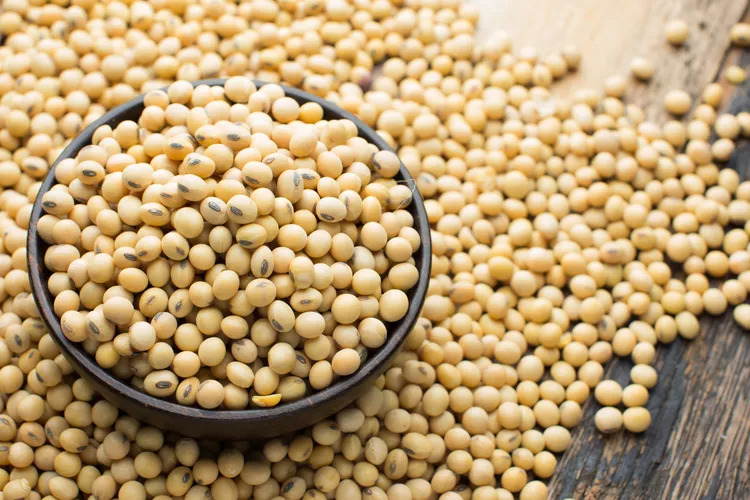
Soy Beans
Glycine max
Soybeans are a species of legume native to East Asia, widely grown for its edible bean which has numerous uses. They are a major source of protein and oil, and are used in food products, animal feed, and industrial applications. Soybeans are known for their ability to fix nitrogen in the soil, improving soil fertility.
Calculate System for Soy BeansGrowth Stages
Season: Apr – Sep (120 days)
Soybeans can be grown in various varieties, including determinate and indeterminate types. Crop rotation and cover cropping can enhance soil health and reduce pest pressures.
Water Requirements
Recommended Methods
Soil Compatibility
Optimal pH range: 6.0 – 7.5
Climate Compatibility
Temperature range: 15.0°C – 30.0°C
Planting Layout
Nutrient Requirements (kg/ha)
Yield Information
Design Your Soy Beans Irrigation System
Use our free calculators to plan water requirements, spacing, and system costs for your Soy Beans field.
Open CalculatorsRelated Guides
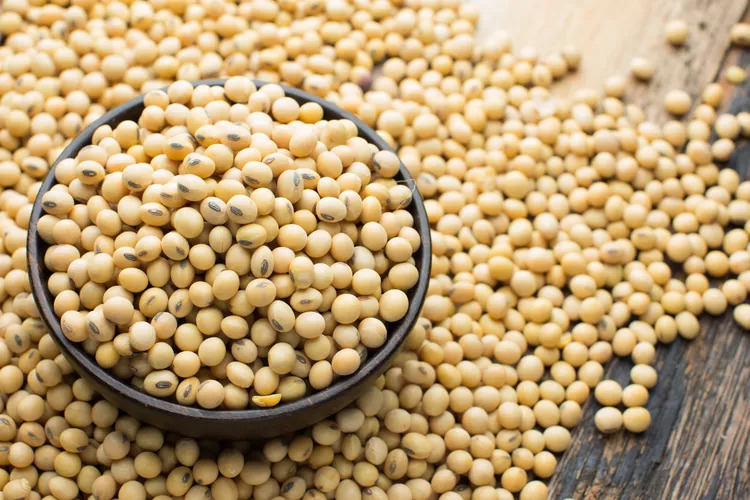
Growing and Irrigating Soy Beans: An Economically Efficient Approach
Introduction Soy beans, also known as Glycine max, are one of the most widely grown and economically important crops in the world. They are rich in protein and oil, making them valuable for both human and animal consumption. In addition, soy beans have a wide range of industrial applications, including biofuel…
Read GuideStay ahead of the season.
Get irrigation tips, product launches, and exclusive offers — straight to your inbox.
- Irrigation tips & guides
- Product announcements
- Exclusive discounts
- Early access to new tools