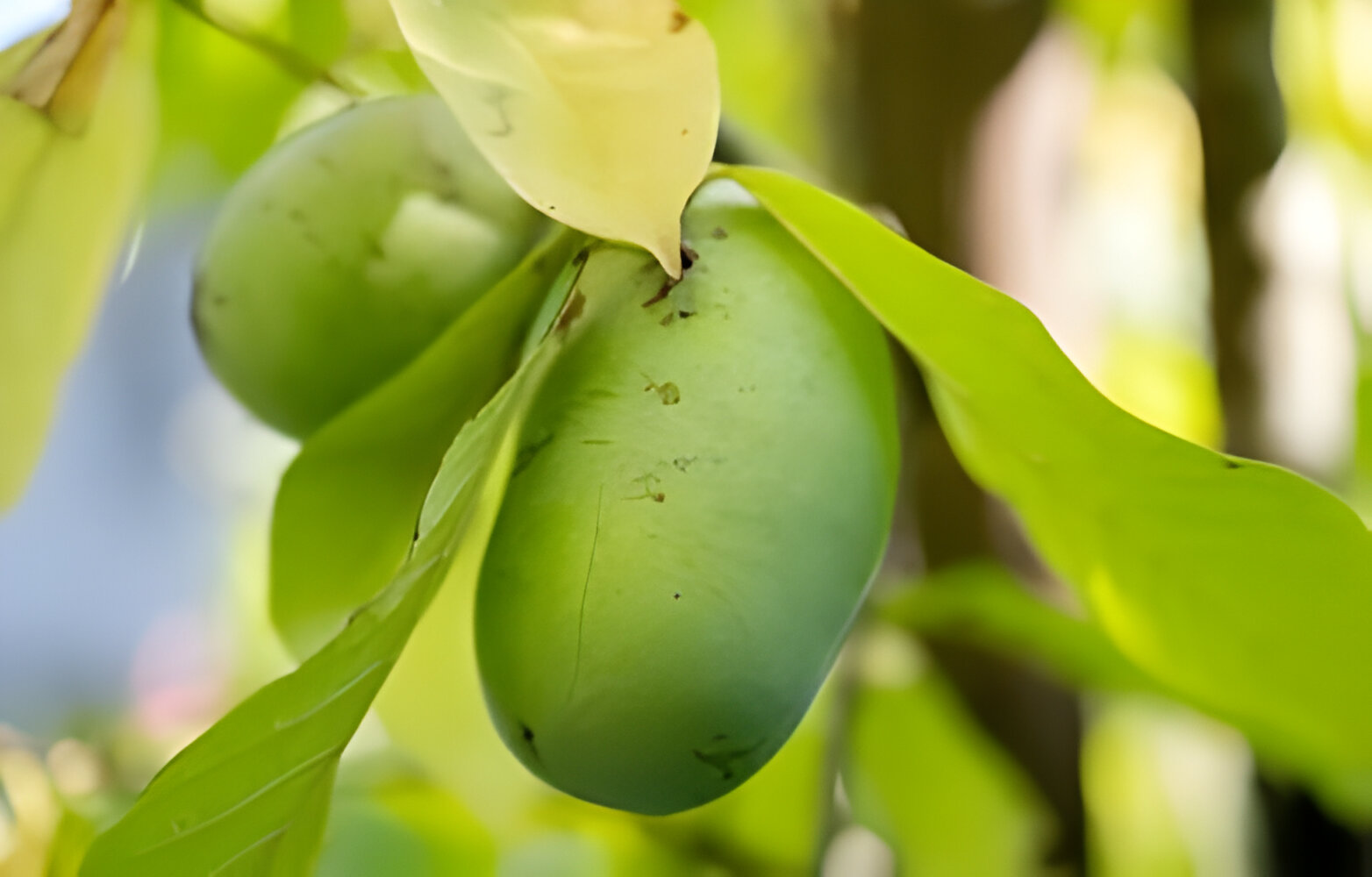
Pawpaw
Asimina triloba
Pawpaw is a deciduous tree native to North America, known for its large, edible fruit that has a custard-like texture and a flavor reminiscent of banana, mango, and melon. The tree can grow up to 30 feet tall and produces large, dark green leaves. Pawpaw is important for its unique fruit, which is rich in vitamins and antioxidants, and is often used in desserts, smoothies, and as a flavoring.
Calculate System for PawpawGrowth Stages
Season: Mar – Aug (120 days)
Pawpaw trees are typically grown in well-drained soils and require cross-pollination for optimal fruit set. Varieties include 'Sunflower', 'Shenandoah', and 'Wabash', each with different flavor profiles and growth habits.
Water Requirements
Recommended Methods
Soil Compatibility
Optimal pH range: 6.0 – 7.5
Climate Compatibility
Temperature range: 15.0°C – 30.0°C
Planting Layout
Nutrient Requirements (kg/ha)
Yield Information
Design Your Pawpaw Irrigation System
Use our free calculators to plan water requirements, spacing, and system costs for your Pawpaw field.
Open CalculatorsRelated Guides
Introduction to Growing and Irrigating Pawpaw
Pawpaw, also known as Asimina triloba, is a fruit-bearing tree native to North America. It is gaining popularity among farmers and gardeners due to its delicious fruit and high economic value. In this article, we will explore how to successfully grow and irrigate Pawpaw in the most efficient and sustainable ways. Why…
Read GuideStay ahead of the season.
Get irrigation tips, product launches, and exclusive offers — straight to your inbox.
- Irrigation tips & guides
- Product announcements
- Exclusive discounts
- Early access to new tools