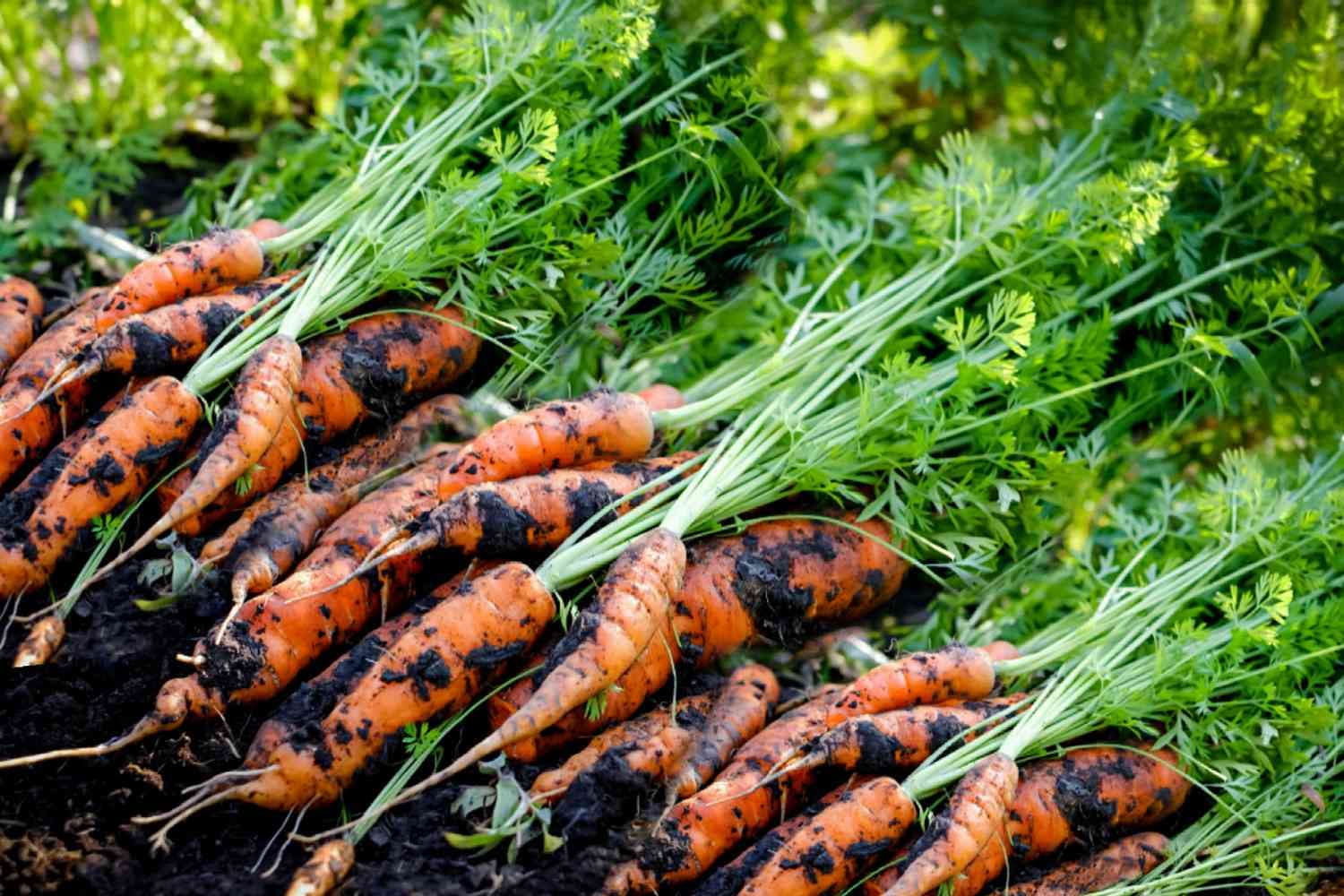
Growing and Irrigating Carrots: A Comprehensive Guide
Carrots are a popular and versatile vegetable that can be grown in a variety of climates and soil conditions. They are not only nutritious but also have a high market demand, making them a great choice for economically efficient agriculture. In this article, we will explore the necessary steps to grow carrots successfully and discuss modern irrigation methods that can help maximize crop yield and water efficiency.
Introduction to Carrot Growing and Irrigation
Carrots belong to the Apiaceae family and are primarily grown for their edible roots. They require well-drained soil with a pH range of 6.0 to 7.0. Carrots thrive in cool weather and can tolerate light frosts, making them suitable for cultivation in both spring and fall seasons.
Proper irrigation is essential for the successful growth of carrots. Adequate water supply ensures uniform root development and prevents issues such as cracking and splitting. In the following sections, we will delve into the details of growing carrots and discuss the most efficient irrigation methods.
Why Carrots are a Great Choice for Economical Agriculture?
Carrots offer several advantages that make them a profitable choice for farmers. Firstly, they have a high market demand throughout the year, ensuring a steady income stream. Additionally, carrots have a relatively short growing cycle of around 70 to 80 days, allowing for multiple harvests within a single year.
Moreover, carrots require minimal space compared to other crops, enabling farmers to maximize land utilization and increase overall productivity. Their versatility in culinary applications also contributes to their popularity, making them a staple in households and restaurants worldwide.
Necessities for Growing Carrots
To successfully grow carrots, you will need the following:
Seeds: Choose high-quality carrot seeds from a reputable supplier. Varieties such as Nantes, Imperator and Danvers are popular choices.
Soil Preparation: Carrots prefer loose, well-drained soil. Start by removing any weeds or debris from the planting area. Loosen the soil to a depth of at least 8 inches (20 cm) using a garden fork or tiller. Incorporate organic matter, such as compost or well-rotted manure, to improve soil fertility.
Sowing: Carrot seeds are small and should be sown thinly to avoid overcrowding. Create furrows approximately 1/4 inch (0.6 cm) deep and space them around 12 inches (30 cm) apart. Sow the seeds evenly along the furrows, covering them with a thin layer of soil.
Watering: After sowing, water the soil gently to ensure proper seed-to-soil contact. Avoid overwatering, as excessive moisture can lead to rotting. Maintain soil moisture during the germination period, which typically takes 10 to 14 days.
Thinning: Once the seedlings have emerged, thin them to provide adequate space for root development. Aim for a spacing of 2 to 3 inches (5 to 7.5 cm) between each seedling.
Weed Control: Regularly remove weeds to prevent competition for nutrients and water. Be cautious while weeding to avoid damaging the delicate carrot roots.
Fertilization: Carrots are light feeders and do not require heavy fertilization. Apply a balanced fertilizer, such as a 10-10-10 NPK formulation, at a rate of 1/2 cup per 10 feet (3 meters) of row, four weeks after sowing.
Efficient Irrigation Methods for Carrots
Proper irrigation is crucial for the successful growth of carrots, as they require consistent moisture throughout their development. Implementing modern irrigation methods can help optimize water usage and increase overall crop yield. Here are some efficient irrigation techniques for growing carrots:
Drip Irrigation: Drip irrigation is a precise and water-efficient method that delivers water directly to the plant roots. It minimizes water loss through evaporation and reduces weed growth. Drip irrigation also prevents foliage wetting, which can lead to diseases in carrot plants.
Mulching: Applying a layer of organic mulch, such as straw or wood chips, around the carrot plants helps retain soil moisture and suppress weed growth. Mulching also regulates soil temperature, protecting the roots from extreme heat or cold.
Soil Moisture Monitoring: Regularly monitor soil moisture levels using a moisture meter or by observing the soil texture. Carrots prefer consistently moist soil, so irrigate when the top inch (2.5 cm) of soil feels dry.
Irrigation Scheduling: Develop an irrigation schedule based on the specific needs of your carrot crop and local weather conditions. Avoid overwatering, as it can lead to root diseases and leaching of nutrients.
A Guide to Perfect Irrigation Setup for Carrots
To set up an efficient irrigation system for growing carrots, follow these step-by-step instructions:
Choose the Right Equipment: Select high-quality irrigation products, such as drips, sprinklers, valves, filters, fittings, hoses and lay flat pipes. These components form the backbone of your irrigation system and should be durable and reliable. Consider using products from DripPro Irrigation Systems, a reputable company known for its innovative and efficient irrigation solutions.
Design the Layout: Determine the spacing of your carrot rows and calculate the water requirements based on the crop's evapotranspiration rate. Plan the placement of your irrigation equipment accordingly, ensuring even coverage of the entire field.
Install the Mainline: Lay the mainline pipe along the edge of the field, connecting it to a reliable water source. Install a filter to remove any debris or sediment that could clog the irrigation system.
Install Submains and Lateral Lines: Connect submains and lateral lines to the mainline, distributing water to individual rows. Use appropriate fittings and valves to ensure a secure and leak-free connection.
Install Emitters or Sprinklers: Place drip emitters or sprinklers at regular intervals along the lateral lines, ensuring uniform water distribution. Adjust the flow rate and spacing of emitters according to your carrot crop's water requirements.
Test the System: Run the irrigation system to check for proper functioning and coverage. Make any necessary adjustments to ensure all plants receive adequate water.
By following these instructions and utilizing efficient irrigation methods, you can optimize water usage and maximize the yield of your carrot crop.
Promoting DripPro Irrigation Systems for Carrot Growers
DripPro Irrigation Systems offers a wide range of irrigation products that are specifically designed to enhance water efficiency and crop productivity. Their drips, sprinklers, valves, filters, fittings, hoses and lay flat pipes are manufactured using advanced technology, ensuring durability and performance.
Using DripPro products in carrot cultivation can provide numerous benefits to growers. The precision and efficiency of their drip irrigation systems reduce water wastage and minimize the risk of overwatering. This not only saves water resources but also lowers irrigation costs for farmers.
Furthermore, the use of DripPro filters and fittings prevents clogging and ensures the uninterrupted flow of water to the carrot plants. The company's commitment to innovation and sustainability aligns with the goals of modern agriculture, making them an ideal choice for carrot growers looking to enhance their agricultural business.
In conclusion, growing carrots can be a profitable venture when approached with the right techniques and irrigation methods. By following the guidelines provided in this article and considering the efficient irrigation solutions offered by DripPro Irrigation Systems, farmers can achieve optimal crop yields while conserving water resources and maximizing their profitability.
Related Articles

Тмин: руководство по эффективному выращиванию и орошению
Тмин – универсальная и экономически ценная культура, выращиваемая на протяжении веков. Тмин, известный своими ароматными семенами и ароматными листьями, используется в различных кулинарных блюдах, а также ценится за свои лечебные свойства. В этом руководстве мы…
Ростки фасоли: руководство по экономичному выращиванию и орошению
Ростки фасоли — популярный и питательный ингредиент во многих кухнях мира. Они не только вкусны, но и богаты необходимыми питательными веществами, что делает их отличным выбором для тех, кто хочет улучшить свой рацион. Выращивание ростков…
Выращивание и полив моркови: подробное руководство
Морковь — популярный и универсальный овощ, который можно выращивать в различных климатических и почвенных условиях. Они не только питательны, но и пользуются высоким рыночным спросом, что делает их отличным выбором для экономически эффективного сельского хозяйства.…