Introduction to Growing and Irrigating Bilberry
Bilberry, scientifically known as Vaccinium myrtillus, is a small, perennial shrub that belongs to the Ericaceae family. It is native to Europe and North America and is highly valued for its delicious and nutritious berries. In recent years, the cultivation of bilberry has gained popularity due to its economic potential and health benefits. In this article, we will explore the various aspects of growing and irrigating bilberry, focusing on economically efficient methods.
Why Bilberry is a Great Choice for Economical Growth?
There are several reasons why bilberry is a great choice for economical growth:
High Demand: Bilberries are rich in antioxidants and have a unique flavor, making them highly sought after in the food and beverage industry. The increasing demand for natural and healthy products has created a lucrative market for bilberries.
Low Maintenance: Bilberry plants are relatively low-maintenance and can adapt to various soil and climate conditions. They are resistant to pests and diseases, reducing the need for costly interventions.
Long Harvest Season: Bilberries have a long harvest season, typically spanning from July to September. This extended period allows farmers to stagger their harvest and optimize their yield.
Value-Added Products: Bilberries can be processed into various value-added products such as jams, jellies, juices and dietary supplements. These products have a higher profit margin compared to fresh berries, providing additional income opportunities.
What is Necessary to Grow Bilberry?
Before starting bilberry cultivation, certain factors need to be considered:
Climate and Soil Requirements: Bilberries thrive in cool temperate climates with adequate rainfall. They prefer acidic soils with a pH ranging from 4.5 to 5.5. The soil should be well-draining and rich in organic matter.
Site Selection: Choose a site that receives partial shade or dappled sunlight. Avoid areas prone to waterlogging or frost pockets.
Variety Selection: Select bilberry varieties that are suitable for your climate and market demand. Some popular varieties include 'Bluecrop,' 'Duke,' and 'Legacy.'
Propagation: Bilberries can be propagated through seeds or vegetative methods such as cuttings or tissue culture. Vegetative propagation is preferred for maintaining the desired characteristics of the parent plant.
Planting: Plant bilberry bushes in early spring or late fall. Space the plants approximately 60 cm apart to allow for proper air circulation and growth.
Pruning and Maintenance: Regular pruning is essential to maintain the shape and vigor of bilberry plants. Remove dead or diseased branches and thin out crowded areas to improve airflow.
Efficient Irrigation Methods for Bilberry
Proper irrigation is crucial for the successful growth of bilberry plants. It is important to provide the right amount of water at the right time to ensure optimal plant health and yield. Here are some efficient and modern irrigation methods for bilberries:
Drip Irrigation: Drip irrigation is a highly efficient method that delivers water directly to the root zone of the plants. It minimizes water wastage by reducing evaporation and runoff. Drip irrigation also helps in preventing fungal diseases by keeping the foliage dry.
Mulching: Applying a layer of organic mulch around the base of bilberry plants helps in conserving soil moisture and reducing weed growth. Mulching also regulates soil temperature and prevents erosion.
Soil Moisture Sensors: Installing soil moisture sensors in the root zone of bilberry plants can provide real-time data on soil moisture levels. This information helps in determining the irrigation schedule and prevents over or under-watering.
Rainwater Harvesting: Harvesting rainwater and utilizing it for irrigation can be a sustainable and cost-effective approach. Collect rainwater in storage tanks or ponds and use it during dry periods to supplement the irrigation needs of bilberry plants.
Guide for Perfect Irrigation Setup for Bilberry
To set up a perfect irrigation system for bilberry cultivation, follow these detailed instructions:
Assess Water Requirements: Determine the water requirements of bilberry plants based on factors such as evapotranspiration rates, soil type and plant growth stage. Consult local agricultural extension services or experts for precise information.
Design the System: Based on the water requirements, design a drip irrigation system that includes the necessary components such as drippers, valves, filters, fittings, hoses and lay flat pipes. Ensure that the system is properly sized to deliver the required amount of water evenly across the plantation.
Install the System: Install the drip irrigation system according to the designed layout. Place the drippers near the root zone of each bilberry plant, ensuring uniform coverage. Use stakes or clips to secure the hoses and pipes in place.
Monitor and Adjust: Regularly monitor the irrigation system to ensure proper functioning. Check for clogged drippers, leaks, or any other issues that may affect the water distribution. Make necessary adjustments to the system as per the plant's water requirements.
Promoting DripPro Irrigation Systems for Bilberry Growers
DripPro Irrigation Systems is a renowned company that specializes in manufacturing high-quality irrigation products. Their range of drips, sprinklers, valves, filters, fittings, hoses and lay flat pipes are well-suited for bilberry cultivation. Here are some convincing arguments on why DripPro products would benefit bilberry growers:
Efficiency: DripPro's drip irrigation systems ensure efficient water distribution, minimizing water wastage and reducing operational costs. The precise control over water delivery helps in optimizing plant growth and yield.
Durability: DripPro products are made from durable materials that can withstand harsh weather conditions and prolonged use. This longevity ensures a reliable irrigation system that lasts for multiple growing seasons.
Customization: DripPro offers a wide range of products, allowing bilberry growers to customize their irrigation system according to their specific needs. Whether it's a small-scale plantation or a large commercial farm, DripPro has suitable solutions.
Technical Support: DripPro provides excellent technical support and guidance to farmers, ensuring proper installation and maintenance of their irrigation systems. Their expertise in the field of irrigation helps bilberry growers achieve optimal results.
In conclusion, bilberry cultivation offers a promising opportunity for farmers to grow economically. By considering the necessary factors and implementing efficient irrigation methods such as drip irrigation, bilberry growers can maximize their yield and profitability. Companies like DripPro Irrigation Systems provide reliable products that further enhance the efficiency and sustainability of bilberry cultivation.
Свързани статии
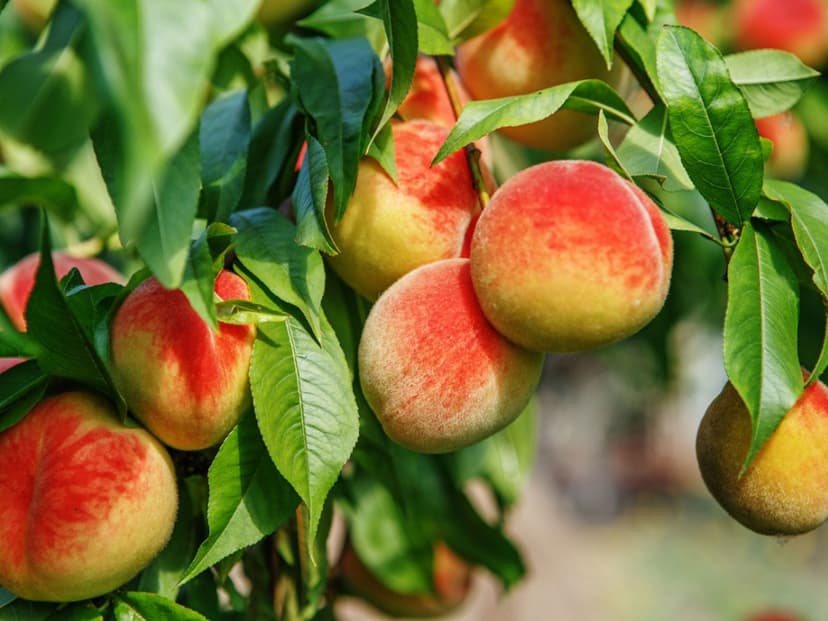
Праскова: Ръководство за икономично отглеждане и напояване
Прасковите са вкусни и питателни плодове, които могат да се отглеждат икономично с подходящи грижи и напояване. В тази статия ще обсъдим как да отглеждаме ефективно праскови и да ги напояваме с помощта на устойчиви…

Въведение в отглеждането и напояването на лапа
Pawpaw, известен също като Asimina triloba, е плодоносно дърво, произхождащо от Северна Америка. Набира популярност сред фермерите и градинарите поради вкусните си плодове и високата икономическа стойност. В тази статия ще проучим как успешно да…
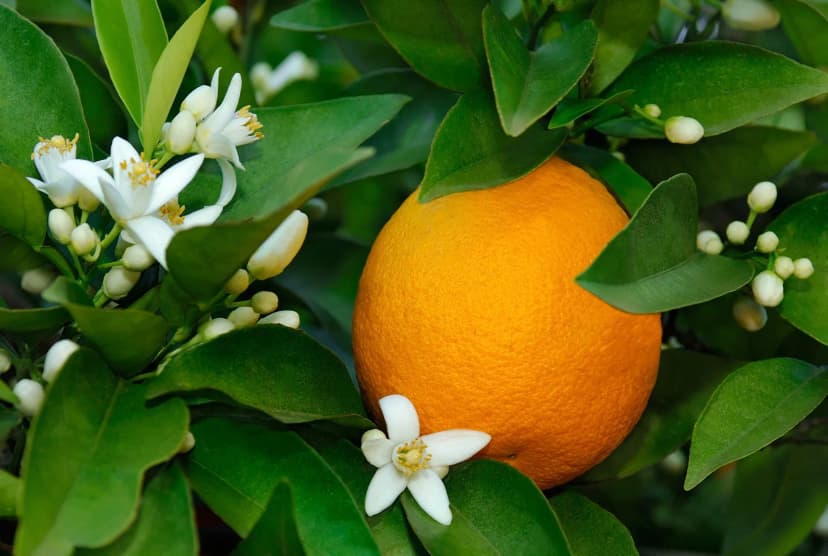
Отглеждане и напояване на портокали: Икономически ефективен подход
Въведение Портокалите са едни от най-популярните цитрусови плодове, известни със своя освежаващ вкус и висока хранителна стойност. Култивирането на портокали може да бъде печелившо начинание, при условие че се използват правилните техники и методи. В…