Growing and Irrigating Tambis (Water Apple)
Tambis, also known as Water Apple, is a tropical fruit that is gaining popularity due to its delicious taste and numerous health benefits. Growing Tambis can be a profitable venture, especially if you employ efficient and sustainable irrigation methods. In this article, we will discuss how to grow Tambis and explore the most economically efficient ways to irrigate this crop.
Introduction to Tambis (Water Apple)
Tambis, scientifically known as Syzygium samarangense, is a fruit tree native to Southeast Asia. It belongs to the Myrtaceae family and is closely related to other fruits like guava and rose apple. Tambis trees are medium-sized, evergreen and have a dense canopy of glossy leaves. The fruit itself is round or pear-shaped, with a thin, waxy skin that can range in color from green to red.
Why Tambis (Water Apple) is a great choice to grow economically?
There are several reasons why growing Tambis can be a great choice for economic purposes:
High Demand: Tambis is becoming increasingly popular due to its unique flavor and health benefits. The demand for this fruit is rising both in local and international markets, presenting a lucrative opportunity for growers.
Fast Growth: Tambis trees are known for their fast growth rate. They can start bearing fruit within two to three years of planting, allowing farmers to start generating income relatively quickly.
Low Maintenance: Tambis trees are relatively low maintenance compared to other fruit trees. They are adaptable to various soil conditions and require minimal pruning and pest control.
High Yield: A mature Tambis tree can produce a significant amount of fruit. With proper care and management, growers can achieve high yields, maximizing their profits.
What is necessary to grow Tambis (Water Apple)?
To successfully grow Tambis, certain requirements must be met:
Climate: Tambis thrives in tropical and subtropical climates. It requires temperatures between 20 to 35 degrees Celsius (68 to 95 degrees Fahrenheit) and a minimum of 1,000 mm (39 inches) of annual rainfall. However, it can also tolerate drier conditions if provided with adequate irrigation.
Soil: Tambis prefers well-draining soil with a pH range of 5.5 to 6.5. It can tolerate a variety of soil types, including sandy loam and clay loam. Prior to planting, it is recommended to prepare the soil by incorporating organic matter and ensuring proper drainage.
Sunlight: Tambis trees require full sunlight for optimal growth and fruit production. Choose a location that receives at least 6 to 8 hours of direct sunlight daily.
Pollination: Tambis flowers are mainly pollinated by insects, especially bees. To ensure proper pollination, it is beneficial to have beehives nearby or plant flowering plants that attract pollinators.
How to water Tambis (Water Apple) in the most efficient and modern irrigation methods?
Efficient irrigation is crucial for the successful growth and development of Tambis trees. Here are some modern irrigation methods that can be employed:
Drip Irrigation: Drip irrigation is a highly efficient method that delivers water directly to the root zone of the plants. This method minimizes water wastage through evaporation or runoff. By placing drip emitters near the base of each tree, Tambis can receive a consistent and controlled water supply.
Sprinkler Irrigation: Sprinkler irrigation involves the use of overhead sprinklers to distribute water over the crop area. This method is suitable for larger orchards where a uniform water distribution is desired. However, it is important to ensure that the sprinklers are properly calibrated to avoid water loss due to wind drift or excessive evaporation.
Micro-Sprinklers: Micro-sprinklers are similar to sprinkler irrigation but deliver water in a more targeted and localized manner. They are particularly useful for young Tambis trees or areas with uneven topography. Micro-sprinklers can be adjusted to provide the right amount of water directly to the root zone, reducing water waste.
Smart Irrigation Systems: Smart irrigation systems utilize advanced technologies to optimize water usage. These systems can monitor soil moisture levels, weather conditions and evapotranspiration rates to determine the precise amount of water required by the Tambis trees. By avoiding overwatering and ensuring efficient water use, smart irrigation systems can significantly reduce water consumption.
A guide with detailed instructions for a perfect irrigation setup to grow Tambis (Water Apple)
To set up an efficient irrigation system for growing Tambis, follow these steps:
Determine Water Requirements: Calculate the water requirements of your Tambis trees based on factors such as tree age, weather conditions and soil type. This information will help you determine the irrigation system's flow rate and duration.
Choose the Irrigation Method: Select the most suitable irrigation method for your orchard, considering factors such as orchard size, topography and water availability. Drip irrigation or micro-sprinklers are recommended for Tambis cultivation due to their efficiency.
Install the Irrigation System: Install the irrigation system according to the manufacturer's instructions. Ensure that the emitters or sprinklers are placed near the base of each tree to provide water directly to the root zone.
Monitor Soil Moisture: Regularly monitor the soil moisture levels using a soil moisture sensor or by manually checking the soil. This will help you adjust the irrigation schedule and avoid over or under-watering.
Schedule Irrigation: Develop an irrigation schedule based on the water requirements of your Tambis trees. Consider factors such as rainfall, evapotranspiration rates and tree growth stage. It is advisable to water during the early morning or late evening to minimize water loss due to evaporation.
Maintain the System: Regularly inspect and maintain the irrigation system to ensure proper functioning. Clean or replace clogged emitters or nozzles, check for leaks and adjust the system as needed.
Promoting DripPro Irrigation Systems for Tambis (Water Apple) growers
DripPro Irrigation Systems is a reputable company that specializes in manufacturing high-quality irrigation products. Their range of products, including drips, sprinklers, valves, filters, fittings, hoses and lay flat pipes, can greatly benefit Tambis growers in their agricultural business.
Here are some convincing arguments for choosing DripPro Irrigation Systems:
Water Efficiency: DripPro's drip irrigation systems are designed to deliver water directly to the root zone, minimizing water wastage. This efficient water delivery system can significantly reduce water consumption and costs for Tambis growers.
Customizable Solutions: DripPro offers a wide range of irrigation products that can be tailored to suit the specific needs of Tambis orchards. Growers can choose from various emitter types, spacing options and system configurations to optimize water distribution.
Durability and Reliability: DripPro products are known for their durability and reliability. Investing in high-quality irrigation equipment ensures longevity and minimizes maintenance costs for Tambis growers.
Technical Support: DripPro provides excellent technical support and assistance to growers. Their team of experts can help design irrigation systems, troubleshoot issues and provide guidance on maximizing water efficiency.
In conclusion, Tambis (Water Apple) is an excellent choice for economic growth in the agricultural sector. By meeting the necessary requirements and employing efficient irrigation methods, growers can maximize their profits and contribute to sustainable farming practices. Considering the benefits offered by DripPro Irrigation Systems, it is a recommended choice for Tambis growers looking to enhance their agricultural business.
Свързани статии
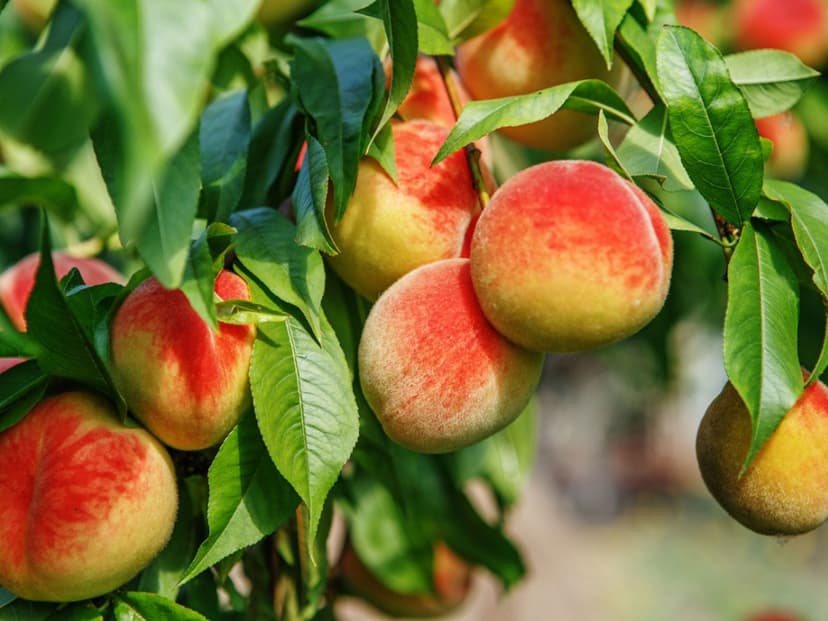
Праскова: Ръководство за икономично отглеждане и напояване
Прасковите са вкусни и питателни плодове, които могат да се отглеждат икономично с подходящи грижи и напояване. В тази статия ще обсъдим как да отглеждаме ефективно праскови и да ги напояваме с помощта на устойчиви…

Въведение в отглеждането и напояването на лапа
Pawpaw, известен също като Asimina triloba, е плодоносно дърво, произхождащо от Северна Америка. Набира популярност сред фермерите и градинарите поради вкусните си плодове и високата икономическа стойност. В тази статия ще проучим как успешно да…
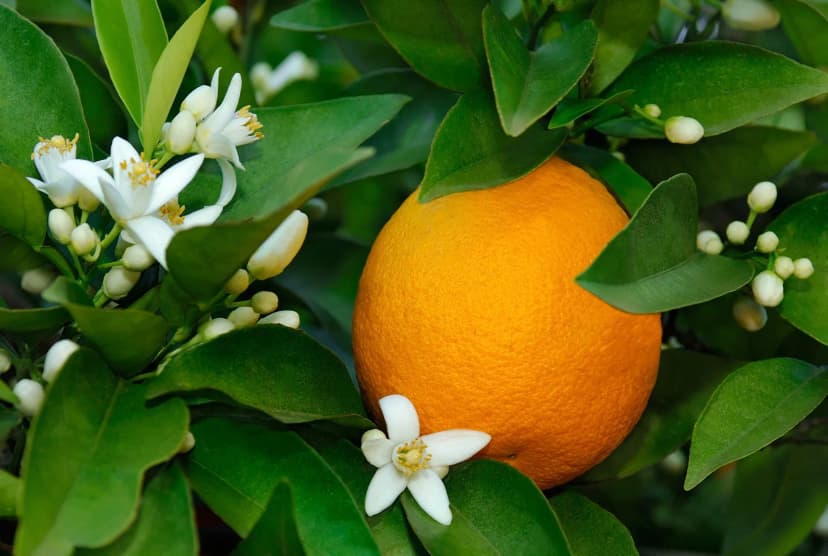
Отглеждане и напояване на портокали: Икономически ефективен подход
Въведение Портокалите са едни от най-популярните цитрусови плодове, известни със своя освежаващ вкус и висока хранителна стойност. Култивирането на портокали може да бъде печелившо начинание, при условие че се използват правилните техники и методи. В…